//I think it’s unfortunately true that that can be extrapolated from a very vague passage of dialogue, in which Loki uses psychological warfare, threatening to use Clint to kill Natasha:
“I won’t touch Barton. Not until I make him kill you! Slowly, intimately, in every way he knows you fear! And then he’ll wake just long enough to see his good work, and when he screams, I’ll split his skull! This is MY bargain, you mewling q**m!”
However it’s important here to distinguish a few things:
1) “Not until I make him KILL you…” implies brutal physical torture, and murder, by a trained assassin, not rape.
2) Loki is stuck in a glass cage and he is using whatever weapons in his arsenal to try to rattle Natasha. He’s learned from observing humans that gendered slurs and violent threats is an effective way to coerce them when at a personal disadvantage. In other words, this is a strategy, not necessarily a truth.
But let’s say that IS what he meant, in which case … .
3) “Slowly and intimately” can be taken as sexual, but that’s the point at which it’s important to note that Joss Whedon’s writing is rife with unnecessary misogynistic tropes, despite his performative allyship as a “feminist” (I take issue with his self-proclaimed feminism, STRONG issue, as an intersectional feminist). For instance, despite claiming to be fond of Natasha, he finds a way to slip “c*nt” past the censors as “qu*m,” which is an Old English version of the same word. Later, in Age of Ultron, he makes Natasha see herself as a monster because she was sterilized, as if a woman not having children–the traditional “purpose” of the female gender– is the worst thing can can possibly happen to her. He also makes a tasteless joke about Bruce falling face-first into Natasha’s boobs.
The measure of misogynistic tropes in a film is as simple as asking the question, “Was that necessary? Did it add to the plot even remotely? Did it enrich the character at all?” And if your answer is no, as it repeatedly is in the case of Natasha, you’ve got yourself a Problematic Writer.
Using rape threats in a work of media against women when said threads are entirely unnecessary is a symptom of misogyny in the writers, not the characters.
In other words: the problem is not Loki, who, in all four of his other film appearances, HANDLED BY WRITERS OTHER THAN JOSS WHEDON, shows women nothing but respect–particularly his mother, Frigga, who raised him and whom he literally, canonically, emulates. It is highly implausible for any man (and Loki is actually genderfluid) to be such a misogynist that he would ever threaten rape if his highest role model was a woman, and if he respects women in turn. Rather, the problem is the writer at the helm of Avengers Assemble.
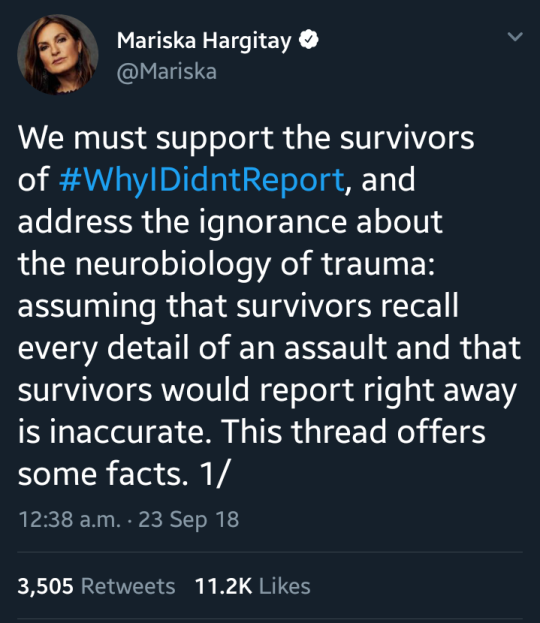
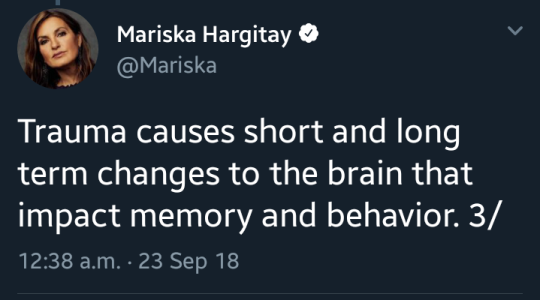
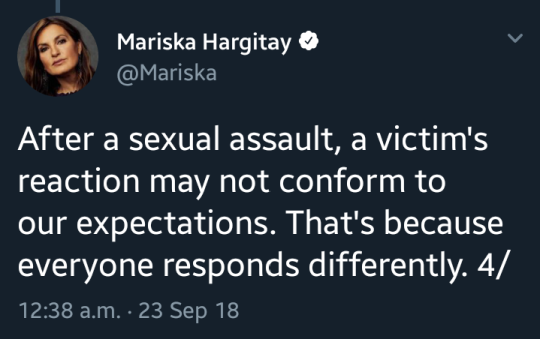
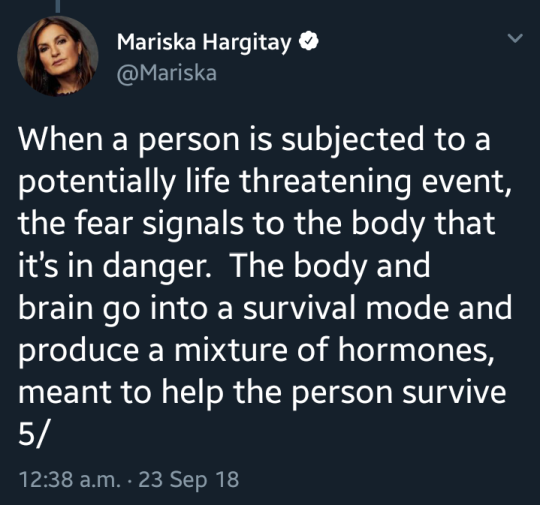
So how do you move forward from this? Threats of rape can never be taken lightly. There is no more profound violation of a human being. But what people claiming “Loki threatened rape” need to do is be aware of the source of that highly out-of-character moment. What was the purpose of having a villain enter that particular terrain? Whose agenda is being pushed here, and forced onto a character’s dialogue?
I personally wholesale reject that entire scene. Loki is not Kilgrave from Jessica Jones, whose entire character centers on violating another person’s autonomy, mental, physical, emotional, and sexual. No matter who wrote Kilgrave, he would still be a serial rapist. Not true with Loki.
I invite others to respond to this post by sourcing the many incidences of Joss Whedon’s misogyny toward his female protags, including, for instance, having Cordelia’s actresss (Buffy, Angel) fired because she became pregnant.
Always, always ask: what’s the agenda of the creative team manufacturing a product for your consumption? Human beings always have an agenda. Sometimes their goals are less honorable than others.



 icyxmischief